Effective waste handling is an essential part of running a responsible and sustainable business. From manufacturing facilities and warehouses to offices and retail stores, every organization generates material that must be disposed of properly. When businesses develop meaningful strategies to manage waste, they not only protect the environment but also improve workplace efficiency, reduce operational expenses, and strengthen their reputation in the marketplace. A proactive approach to waste management encourages long term planning, resource conservation, and cleaner working conditions for employees and customers alike.
Many businesses are beginning to recognize that waste handling is much more than a basic disposal task. It involves evaluating daily operations, identifying inefficiencies, and finding opportunities to reuse or recycle materials whenever possible. Companies that commit to a structured waste management program often discover measurable savings and greater compliance with environmental regulations. Here are just a few ways that companies or organizations can create practical waste handling strategies that support productivity, safety, and sustainability across all areas of their business.
Understanding the Importance of Proper Business Waste Management
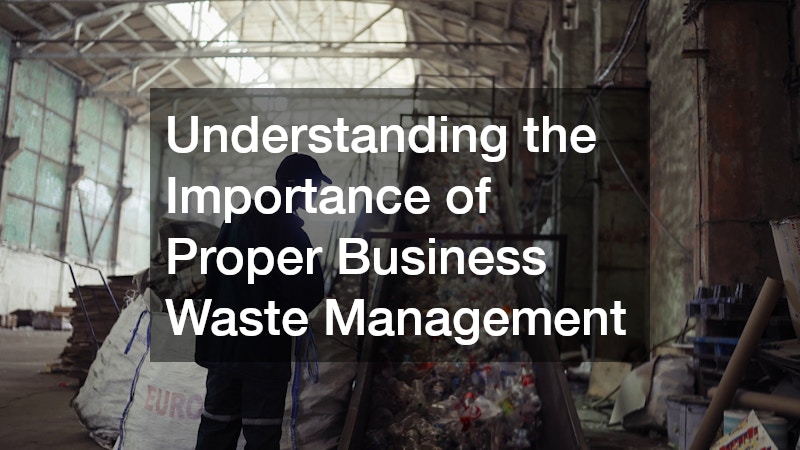
Proper business waste management plays a major role in protecting the environment, maintaining regulatory compliance, and improving operational organization inside a workplace. Companies that take time to evaluate how materials move through their facilities are better equipped to reduce clutter, minimize disposal costs, and prevent unnecessary landfill contributions. A structured waste program also helps limit risk by ensuring that different materials are handled, stored, and disposed of correctly.
One helpful tool used in many facilities is a commercial trash compactor, which allows businesses to condense large volumes of material into smaller, more manageable loads. This reduces the frequency of hauling, keeps outdoor areas cleaner, and improves site safety by limiting loose debris. When combined with thoughtful sorting practices and employee participation, proper waste management supports both environmental responsibility and day to day efficiency within the organization.
Identifying the Different Types of Commercial Waste
Before a business can create an effective waste handling plan, it must first understand the kinds of materials being discarded throughout daily operations. Commercial waste can include packaging materials, paper products, metals, plastics, food scraps, and manufacturing byproducts. In some industries, waste may also consist of electronic components, construction debris, obsolete inventory, or damaged shipping materials. Conducting a detailed waste audit allows companies to track where these materials originate, how frequently they are generated, and which departments produce the highest volumes. This information forms the foundation for smarter planning and long term reduction strategies.
Some materials may be recyclable, while others require specialized disposal procedures based on regulatory standards or environmental considerations. By categorizing waste streams, companies can determine which materials can be reduced, reused, or diverted from landfills. Clear labeling systems, designated collection zones, and consistent storage procedures help prevent contamination between recyclable and non recyclable materials. When businesses take time to map out their waste lifecycle from generation to disposal, they gain greater control over costs, compliance responsibilities, and environmental outcomes.
Facilities that operate warehouses, loading areas, or industrial storage environments may rely on forklift services to move pallets, containers, and bulk materials to designated collection points. Organizing material movement in this way helps keep waste contained and prevents items from being mixed together unintentionally. It also improves safety by reducing manual handling and ensuring that large or heavy materials are transported efficiently. Once materials are properly sorted, businesses can make more informed decisions about disposal methods, evaluate opportunities for recycling or repurposing, and identify long term strategies to reduce overall volume and improve sustainability outcomes.
Creating a Companywide Waste Reduction Strategy
A successful waste handling approach requires a unified plan that involves every department and employee within the organization. Creating a companywide waste reduction strategy encourages participation, accountability, and continuous improvement across all operations. Leadership teams should begin by assessing current waste habits, identifying inefficiencies, and setting measurable goals for reduction or diversion. These goals may include lowering disposal costs, increasing recycling rates, or improving material tracking processes.
Many businesses benefit from exploring material handling equipment solutions that make it easier to store, transport, and process waste in an organized manner. When equipment and workflows are aligned with waste reduction objectives, employees can handle materials more efficiently and safely. A clear strategy should also include written policies, scheduled audits, and internal communication to reinforce best practices. Over time, a comprehensive waste reduction plan helps businesses operate more responsibly while improving workplace productivity and resource management.
Implementing Recycling Programs in the Workplace
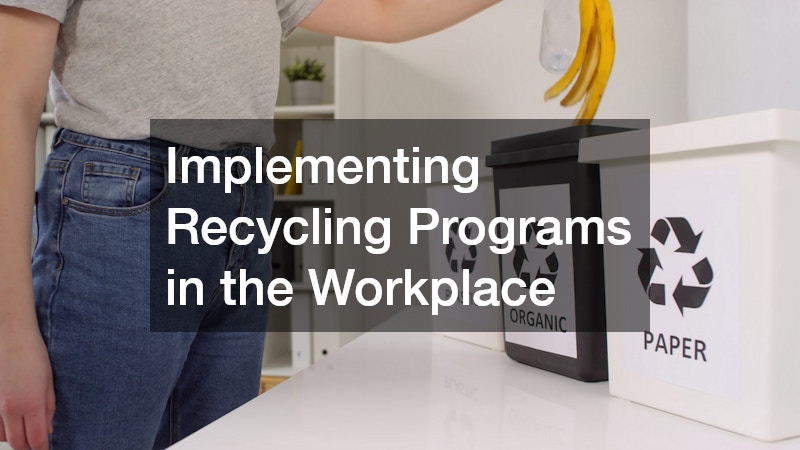
Recycling is one of the most effective ways businesses can reduce waste while conserving valuable resources. A well designed recycling program encourages employees to separate materials and ensures that recyclable items are transferred to the correct processing facilities. Businesses should place clearly labeled bins throughout their workspace and provide guidance on which materials are acceptable. Regular monitoring and feedback can help maintain consistency and reduce contamination in recycling streams.
Some organizations improve recycling efficiency by using forklift rentals to move bulk recyclables or collected materials to central storage areas before pickup. This approach allows large quantities of recyclables to be handled safely and prevents unnecessary strain on employees. When recycling programs are thoughtfully implemented, businesses not only decrease landfill waste but also demonstrate a meaningful commitment to environmental stewardship and community responsibility.
How to Safely Dispose of Hazardous and Industrial Waste
Certain industries produce materials that require specialized handling procedures to avoid environmental harm or workplace hazards. These may include chemical products, solvents, oils, electronic components, or industrial byproducts. Improper disposal of these materials can lead to regulatory penalties, safety risks, and long term environmental damage. Businesses must follow all applicable local and federal guidelines when managing hazardous or industrial waste, including proper labeling, storage, and documentation practices.
Some facilities also work with packaging materials created through corrugated box making machines, which may produce scrap components that must be handled separately from standard waste streams. By clearly identifying hazardous or specialty materials and training employees to manage them appropriately, companies can greatly reduce risk and maintain a safer working environment. Partnering with certified disposal providers ensures that all regulated waste is processed responsibly and in accordance with environmental standards.
Partnering With Professional Waste Management Services
While many businesses handle some aspects of waste management internally, professional waste management partners can offer additional expertise, specialized equipment, and reliable disposal solutions. These providers assist with collection scheduling, regulatory compliance, recycling logistics, and environmentally responsible disposal practices. Working with an experienced partner allows companies to streamline their waste processes and focus more time on core operations.
Some organizations choose to collaborate with industrial equipment services providers who understand the unique demands of manufacturing, warehousing, and large scale operational environments. These partners can evaluate existing waste handling systems and recommend more efficient processes or equipment upgrades. By forming a long term partnership with knowledgeable waste professionals, businesses gain access to strategic guidance that supports both sustainability goals and operational performance.
Training Employees on Sustainable Waste Practices
Employees play a crucial role in the success of any waste management program. Without proper training and engagement, even the best designed system may fail to achieve its intended results. Businesses should invest time in educating staff about sorting procedures, recycling expectations, and safety guidelines related to handling different materials. Training sessions, visual reminders, and routine updates help reinforce consistent habits across the organization and ensure that every department follows the same waste handling standards.
Employee involvement also creates a sense of shared responsibility. When workers understand how their actions affect overall waste volume, disposal costs, and environmental impact, they are more likely to participate actively in sustainability initiatives. Encouraging employees to report inefficiencies, suggest improvements, or identify areas where materials are being wasted can lead to meaningful operational changes. Some companies even incorporate waste reduction goals into performance discussions or team initiatives to keep participation strong and consistent.
In some industries, employees may also interact with dump truck services during large scale cleanup projects, construction activities, or site renovation efforts. Understanding how to prepare materials for transport and maintain safe loading practices helps protect both workers and equipment operators. Proper communication, clear staging zones, and adherence to safety procedures reduce the risk of accidents and ensure that materials are handled efficiently from start to finish. When employees are knowledgeable and confident in their responsibilities, a business is far more likely to achieve its waste reduction and sustainability objectives while maintaining a safer and more organized work environment.
Using Technology to Track and Reduce Waste Output
Modern technology provides businesses with powerful tools to monitor waste generation, evaluate performance, and identify areas for improvement. Digital tracking systems can measure disposal frequency, material volume, and recycling rates across multiple locations. Access to accurate data allows management teams to compare results over time and adjust strategies based on measurable outcomes. Technology also supports greater transparency, which can be valuable when reporting sustainability progress to stakeholders or regulatory agencies.
Some organizations utilize a roll off dumpster service as part of their waste tracking approach, allowing them to measure how much material is collected during specific projects or periods of operation. By reviewing this data, businesses can pinpoint inefficiencies, reduce unnecessary disposal, and implement targeted improvements. Over time, technology driven insights help companies operate more efficiently while strengthening their environmental responsibility.
The Financial Benefits of Responsible Waste Handling
Responsible waste management can significantly reduce operating costs, especially when businesses focus on minimizing disposal volume and increasing recycling participation. Lower hauling fees, fewer pickups, and decreased material purchases all contribute to long term savings. Additionally, maintaining a clean and orderly workplace can improve productivity, reduce accident risks, and extend the lifespan of equipment and storage areas. Over time, streamlined waste handling can also reduce labor demands by eliminating unnecessary material movement and preventing workflow interruptions caused by clutter or misplaced items. Financial benefits often grow over time as waste programs become more refined and efficient and as businesses gain clearer insight into where materials and resources are being wasted.
A thoughtful approach to waste handling can also support better inventory control and purchasing practices. When companies track what materials are being discarded, they may identify overordering issues, packaging inefficiencies, or operational habits that generate avoidable waste. Addressing these issues can lead to smarter procurement decisions and more strategic use of raw materials. In some industries, reducing waste output may even support compliance initiatives or help businesses qualify for sustainability certifications that enhance credibility and open doors to new opportunities and partnerships.
Some companies also save money by evaluating how frequently they use dumpster rentals and identifying opportunities to consolidate waste or reduce unnecessary disposal. By carefully managing materials and implementing waste reduction strategies, businesses can control expenses while supporting environmental goals. In many cases, these efforts lead to a more organized workflow, improved space utilization, and stronger long term financial stability. These financial advantages demonstrate that sustainable waste practices are not just environmentally beneficial but also practical from an economic standpoint, helping businesses operate more efficiently while contributing to broader sustainability objectives.
Building an Eco Friendly Reputation Through Better Waste Practices
Today’s customers, employees, and community members increasingly value businesses that demonstrate environmental awareness and social responsibility. Companies that commit to sustainable waste practices can strengthen their public image, attract environmentally conscious clients, and establish themselves as leaders within their industry. Publicly sharing progress, such as recycling achievements or landfill diversion milestones, helps build credibility and trust among stakeholders.
Even small improvements, such as responsibly utilizing a small dumpster during renovation or cleanup projects, can reflect a company’s dedication to mindful waste handling. When sustainability becomes part of a business identity, it supports stronger relationships with customers and partners who value environmental stewardship. Over time, these efforts contribute to a positive brand reputation and a more resilient, future focused organization.
Handling waste effectively is an essential responsibility for modern businesses of every size and industry. By understanding their waste streams, developing structured reduction strategies, and investing in employee training, organizations can create cleaner, safer, and more efficient workplaces. Recycling programs, responsible hazardous material disposal, and partnerships with professional waste management providers all play an important role in reducing environmental impact and improving operational performance.
Technology, planning, and ongoing evaluation help companies track progress and identify new opportunities for sustainability improvement. Beyond the environmental benefits, businesses often experience meaningful financial savings and a stronger public reputation when they commit to thoughtful waste management practices. By taking a proactive and comprehensive approach to handling waste, organizations can support long term success while contributing to a healthier and more sustainable future.